
 Telegram
An Embodied Idea Is an Epigone of Truth
An embodied idea is an epigone of truth. 🌙
“Our generation absorbed faith in the immanent power of progress, occurring to some extent naturally and automatically. It believed it no longer needed ethical ideals and could move toward its goal by means of knowledge and technical achievements alone.”
Only an inner process rooted in individuality and freedom of thought can give birth to an idea
“Only from the depth of thinking can an idea be born, and by appearing desirable to us, it can become our spiritual property.”
And yet:
“Modern man, having become a victim of overstrain, increasingly feels the need for external distraction. Work on oneself in the remaining free time, serious conversations, or reading books all require concentration, which comes to him with difficulty. Absolute idleness, entertainment, and the desire to forget become a physical need.”
How can one preserve an idea in an age of intellectual labor?
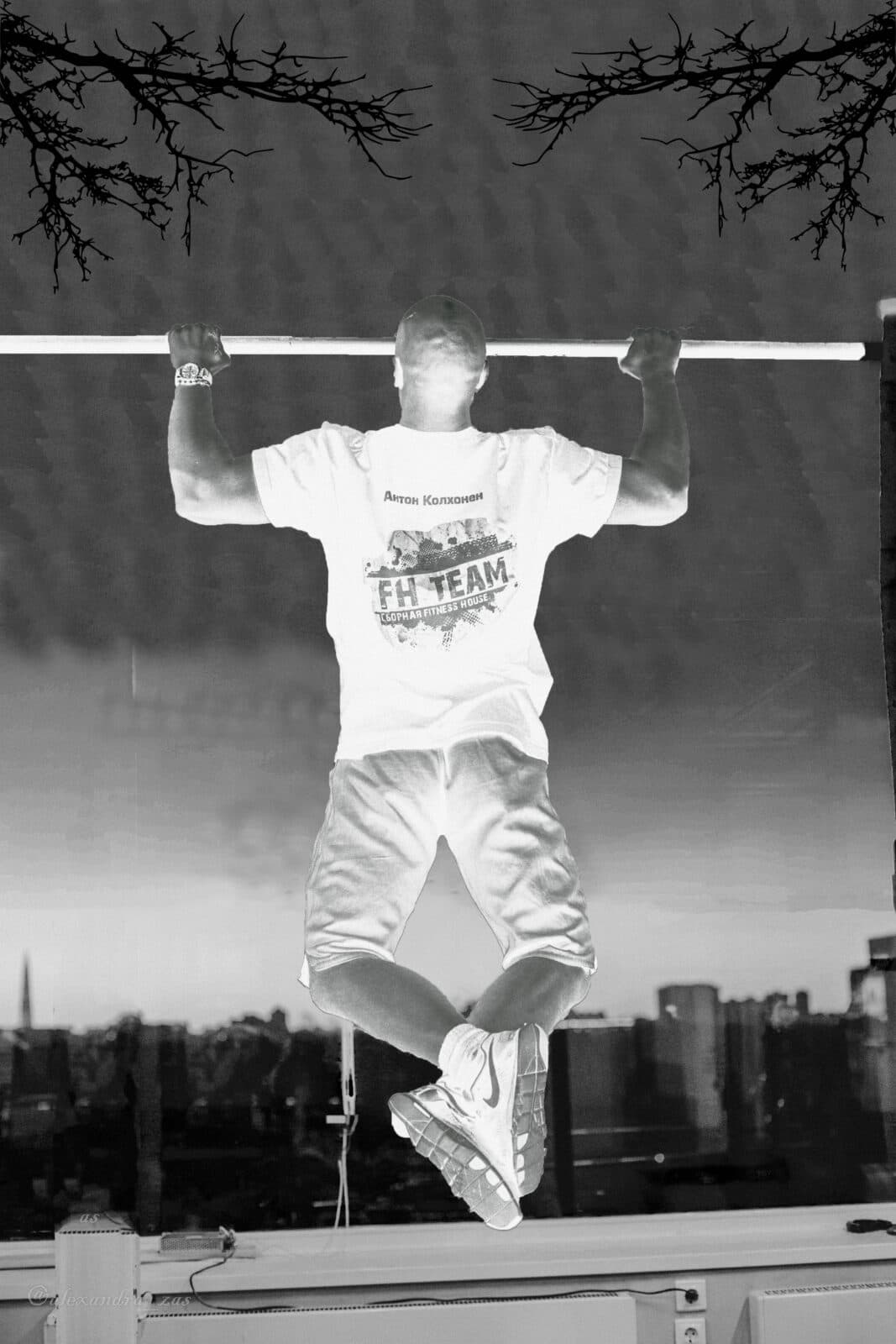
“Physical energy helps pave the way toward bringing one’s ideas to life.”
💡 The strength of an idea is determined by strength of character, faith in oneself, and a life paradigm grounded in values and principles.
The power of such an idea can be stronger than the fear of death.
- Bruno was burned at the stake for his ideas.
- Spinoza was expelled from his community.
- Nelson Mandela devoted his life to his idea and was prepared to spend 27 years in prison. He received the Nobel Peace Prize in 1993.
- Albert Schweitzer served his idea and embodied it in life. In 1953, he received the Nobel Peace Prize.
“One faith has remained with me since childhood, and I am sure I will never lose it: faith in truth. I am convinced that the spirit of truth is stronger than circumstances. In my view, humanity has no fate other than the one it prepares for itself through its intellectual and spiritual condition.”
“Two roads diverged in a wood, and I—
I took the one less traveled by,
And that has made all the difference.”
VK videos
Questions about this article
01What turns an idea from an abstract thought into a lived position?
In the post, an idea becomes one's own when it grows from independent thought, is aligned with ethical values, and is sustained by character. Knowledge and technical progress are insufficient without inner work, discipline, and responsibility for embodying the chosen meaning.
02Why does the author contrast an idea with automatic progress?
Drawing on Albert Schweitzer, the author criticizes faith that knowledge and technology alone guarantee cultural and moral development. Human values and freedom of thought give progress its direction.
03How does the post connect physical discipline with the strength of an idea?
Physical practice is presented as one way to cultivate energy, focus, and the capacity to continue acting. This is the author's practical connection, not a claim that sport automatically makes an idea true.
04How does the post relate to DET's Orientation Toward Overcoming?
An idea is embodied by bearing resistance and uncertainty while preserving one's position and adapting action. This transformation of obstacles into material for development is what the Orientation Toward Overcoming describes.