
 Telegram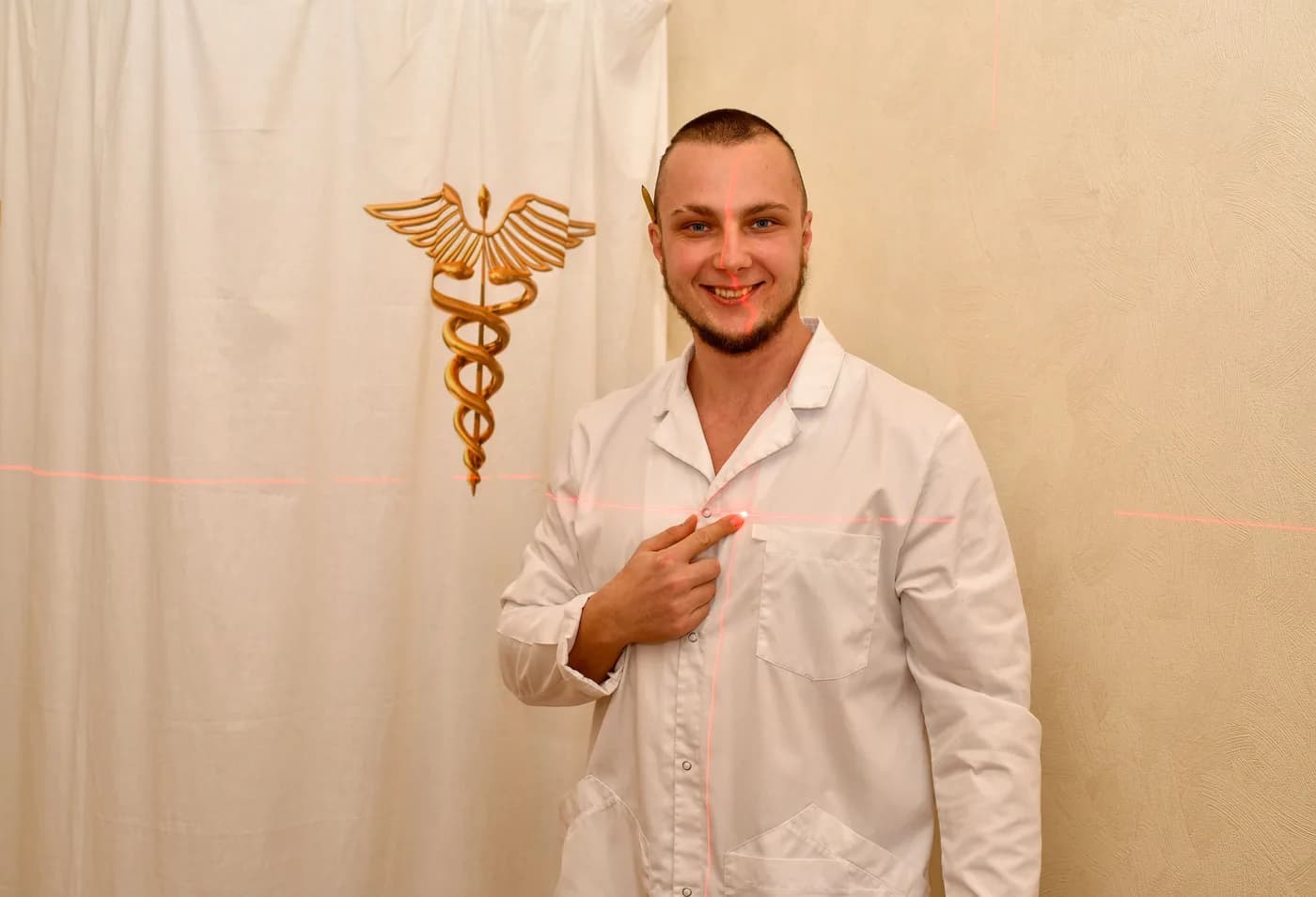

Evil Frees Us from Darkness and Suffering
Inside each of us there is something that cannot be reduced to any ready-made definition. Donald Kalsched writes about it as an invulnerable core of personality — a layer that different traditions have called the true Self, the Self, or the image of Mercury as a guide of transformation.

Mercury is interesting precisely because of his ambivalence. He is associated with both healing and destruction. His caduceus is an image of two opposing forces that do not destroy each other, but are held together within a single symbol. In that sense, what is dark within a person is not necessarily a dead end. Sometimes it becomes the very place from which movement begins.
Kalsched emphasizes that the most frightening and difficult inner figures may turn out to be not only carriers of pain, but also guides toward healing. This is not a romanticization of suffering. It is a reminder that what first looks like poison can sometimes become an antidote if a person is able to endure and work through the material.
Zarathustra expresses the same idea in another language: from our own poisons, we can brew a balm. What matters to me is this logic itself. Passions, mistakes, longing, and inner conflicts do not disappear, but they can be melted down into a clearer form of life.
So “evil” in this text is neither a slogan nor a moral provocation. It is an attempt to describe a paradox: sometimes the way out of darkness begins not by denying that darkness exists, but by recognizing that it too belongs to our psyche and can be included in the process of transformation.
Questions about this article
01What does the paradox “evil frees us from darkness and suffering” mean in this post?
“Evil” refers here to dark and painful psychic material, not to a call to harm others. The paradox is that inner content which is acknowledged and worked through safely can sometimes become a source of understanding and change, whereas denial may preserve its power.
02Does accepting a dark side justify harmful actions?
No. Recognizing a feeling, impulse, or inner image is not the same as enacting it. Integration requires awareness, ethical boundaries, and responsibility for behavior.
03Does the author claim that suffering heals by itself?
No. The post explicitly rejects romanticizing suffering. Difficult experience can become material for transformation only when it can be borne and processed safely, sometimes with professional support.
04How does the post relate to DET's “Shadow and Light” postulate?
Both frameworks treat opposing sides of personality as parts of a whole. Development begins not by destroying the dark side but by recognizing, containing, and integrating it into a more coherent way of living.
05How should Donald Kalsched's “invulnerable core of personality” be understood here?
The post uses it as a theoretical and symbolic image of a protected inner center, compared with the true Self and the Self. It is not presented as a universally proven anatomical or diagnostic fact.