
 Telegram
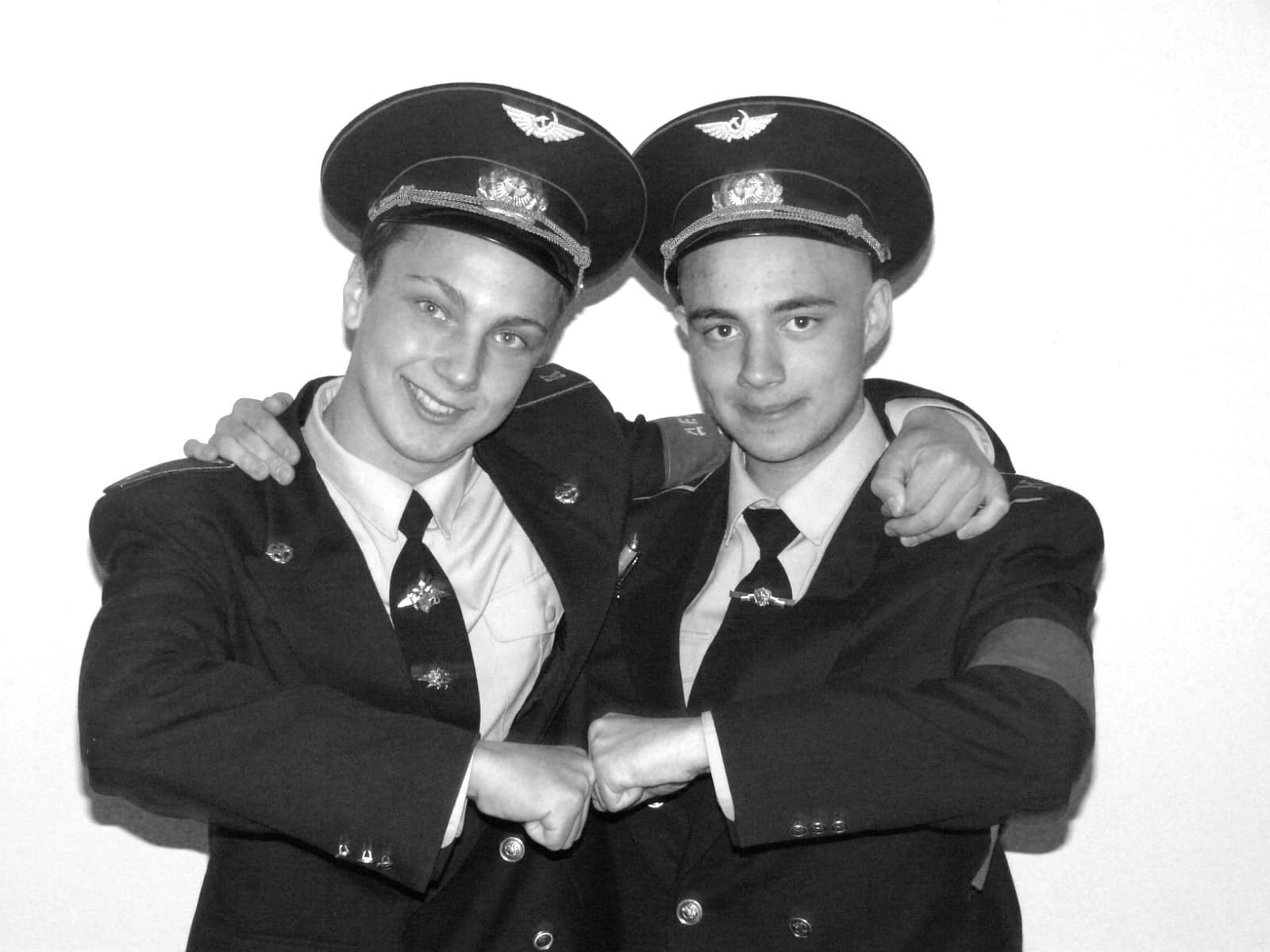
⭐ CAN A PERSON CHANGE? ⭐
Sooner or later, everyone asks themselves whether they are capable of change. Whether we are talking about appearance or inner psychological transformation, is there a limit to human flexibility? Or is everything we see simply the consequence of our inner makeup and inherited traits — traits that inevitably predetermine both behavior and outward appearance?
❇️ PHYSICAL AND PSYCHOLOGICAL CHANGES ❇️
A person can change their habits, their views, and even their appearance. What makes this possible is not only recognizing the need for change, but actively working on oneself. Personal transformation has different stages, and they can lead to visible changes in both body and mind.
❇️ CHANGE THROUGH TENSION AND REFLECTION ❇️
“Growth or change of the human personality consists in changing the ways tensions are relieved.” (E. Berne, 1957, p. 97). This thought highlights the importance of psychological and emotional work on oneself: inner tension that stands in the way of personal growth has to be worked through and relieved.
❇️ REFLECTION AND ACTION AS A PATH TO DEVELOPMENT ❇️
“It is necessary, through reflection and action, to change one’s attitude toward oneself, other people, and work from irrational to rational.” (M. Litvak, 2015, p. 25). Changes in how we perceive life and relate to it do not simply happen on their own; they require active reflection and concrete action.
❇️ CONFLICT AS A NECESSARY STAGE OF CHANGE ❇️
“No changes in personality would have occurred had there been no conflicts beforehand.” (K. Horney, 2013, p. 38). Inner and outer conflicts become catalysts for change, pushing a person to look for new paths of development and new solutions.
❇️ THE INFLUENCE OF THE ENVIRONMENT ❇️
“Fundamental changes in the environment lead to substantial changes in human behavior.” (E. Fromm, To Have or to Be?, 1976). A change in one’s surroundings — whether a workplace or a social circle — often becomes the impetus for a change in behavior and worldview.
“When human development had only just begun, instinct already played only a minor role in guiding behavior. Apart from the elementary instincts of self-preservation and sexual drive, human beings have no other innate or inherited programs that prescribe how they should behave in most situations involving a decision.” (E. Fromm, 1973, p. 291). This reminds us that, in the course of development, a person becomes less dependent on instinctive programs and gains the ability to change their decisions and behavior consciously. 🔂
〰️〰️〰️〰️
#PersonalGrowth #Change #Psychology
Sources:
- Berne, E. A Layman’s Guide to Psychiatry and Psychoanalysis / E. Berne; Russian trans. from English by A. I. Fyodorov. 4th ed. Minsk: Popurri, 2015. 528 p.
- Litvak, M. E. From Hell to Paradise: Selected Lectures on Psychotherapy / M. E. Litvak. 16th ed. Rostov-on-Don: Feniks, 2015. 477, [1] p. — (Psychological Studies).
- Horney, K. Our Inner Conflicts: A Constructive Theory of Neurosis / K. Horney; Russian trans. from English by V. V. Starovoitov. Moscow: Kanon+ ROOI Reabilitatsiya, 2013. 256 p.
- Fromm, E. The Anatomy of Human Destructiveness / Erich Fromm; Russian trans. from German by E. M. Telyatnikova. Moscow: AST, 2016. 624 p. — (Philosophy — Neoclassic).
- Fromm, E. To Have or to Be? / Erich Fromm; Russian translation from German by E. Telyatnikova. Moscow: AST, 2016. 317, [2] p. ISBN 978-5-17-097482-5.
Questions about this article
01Can a person change?
Yes. The text presents change not as a single decision but as a process of changing habitual ways of relieving inner tension, rethinking one’s relationship to oneself and others, acting differently, moving through conflict, and responding to changes in the surrounding environment.
02What helps a person change habits and worldview?
Recognizing the need for change has to lead to reflection and concrete action. The text also connects change with new experience and with an environment that can support different patterns of behavior.
03What role do conflict and inner tension play in personal change?
Tension pushes a person to look for new ways to resolve it, while conflict becomes a point at which old patterns stop working and restructuring becomes necessary.