
 Telegram

Social crisis and obesity: research data
Social crisis and obesity: research data
When we are frightened, we do not only reach for weapons or God, but often for credit cards, cupcakes, and cigarettes. One study showed that people spend more on food when they are afraid. We eat our stress, consuming more chocolate and cookies. It was also found that after reports of death in news programs, viewers respond more favorably to advertising for prestige goods, luxury cars, and Rolex watches. No, we do not believe a Rolex will protect us from a missile strike, but such goods inflate our self-esteem and make us feel more significant. For many people, buying something is a quick way to lift their mood.
This is why, in the second half of 2022, purchasing activity did not fall despite a sharp rise in inflation and, on the contrary, increased. From an economic point of view it may look surprising: people had less money, yet bought more. From a psychological point of view, however, it makes sense. We unconsciously use ways of reducing tension caused by global changes and social and political challenges.
If the world survives while you stop following every personal and global crisis as it unfolds (my prediction: it will), consider whether it might be worth reducing mindless consumption of this media.
I want to emphasize that I mean mindless media consumption, not thoughtful analysis of different sources. For a thinking person, such analysis is valuable — especially now.
Both psychologically 🔵 and from the standpoint of a healthy lifestyle and balanced nutrition 🔴, it matters to notice how the news environment affects our appetite.
Most of the strategies we use to relieve stress do not actually make us feel better, but some do seem to help. According to APA* data, the more effective strategies include:
🔴 Exercise
🛐 Prayer or attending a religious service
🔵 Reading
🎧 Music
👨👩👦👦 Time with friends or family
🟡 Massage
👨🏿🤝👨🏿 Walking
🙏 Meditation or yoga
✍ Creative activities
Among the least helpful are gambling and video games, shopping, smoking, drinking, overeating, endlessly surfing the internet, and watching television or films for more than two hours at a time.
The second group of strategies can produce a strong rush of reward, yet does not help us cope with stress over the long term. These methods promise pleasure, but do not truly deliver it.
The first group is associated with neurotransmitters such as GABA and serotonin, as well as oxytocin (with oxytocin especially associated with massage). These ways of relieving tension can interrupt the stress response, reduce stress-hormone levels in the blood, and trigger a restorative response in the body.
Willpower challenge: an experiment
Choose a soothing strategy from the list of effective strategies cited by the APA that actually works for you. Remember that stress destabilizes our impulses. It weakens willpower, and in difficult moments we instinctively reach for sweets, TV series, and so on in an attempt to restore energy. The problem is that this can also create an associative link in which every stressful episode leads to uncontrolled eating and/or endless binge-watching. An unconscious stress-relief strategy can then become a habit — a destructive one.
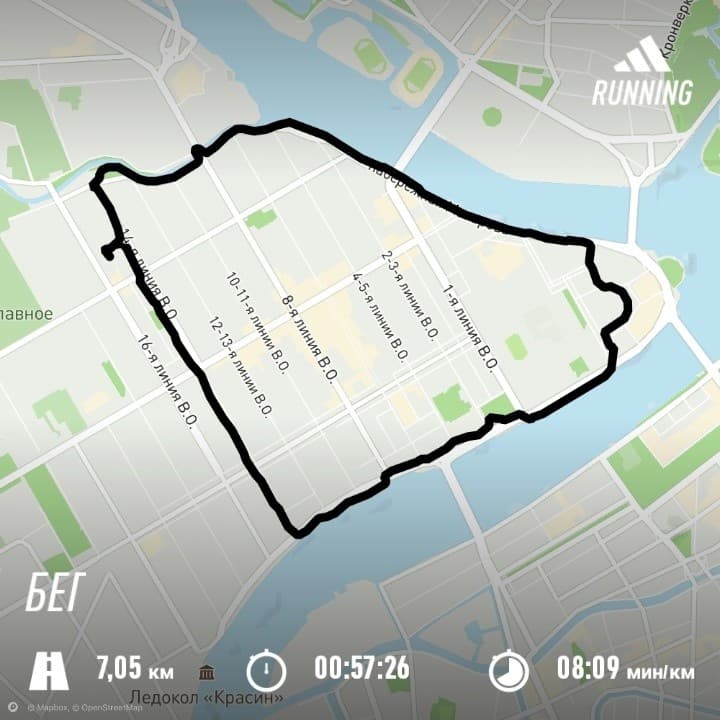
It is more useful to build an association such as “stress — an easy run.” Whenever the body enters a stressed state, we go for a light run. Such a habit can, first, help relieve tension and, second, turn stress itself into the cue that activates the healthier association and prompts us to move. That is a productive habit.
Sources
- Kelly McGonigal. The Willpower Instinct (audiobook edition referenced in the original post).
- *APA — American Psychological Association.
My strategy ↓
Questions about this article
01Can a social crisis directly cause obesity?
The post does not establish direct causation. It describes a possible behavioral pathway in which anxiety and chronic stress increase the pull of immediate reward and overeating. Body weight also depends on many biological, medical, social, and environmental factors.
02How can stressful news affect eating and spending?
The cited book links fear with seeking rapid relief through food, shopping, smoking, or media consumption. This is a possible group-level tendency, not an inevitable response in every person.
03What practice does the author suggest instead of automatic stress eating?
Notice the habitual sequence and preselect an accessible restorative action such as walking, social contact, reading, creativity, or moderate exercise. This is a behavioral experiment, not obesity treatment.