
 Telegram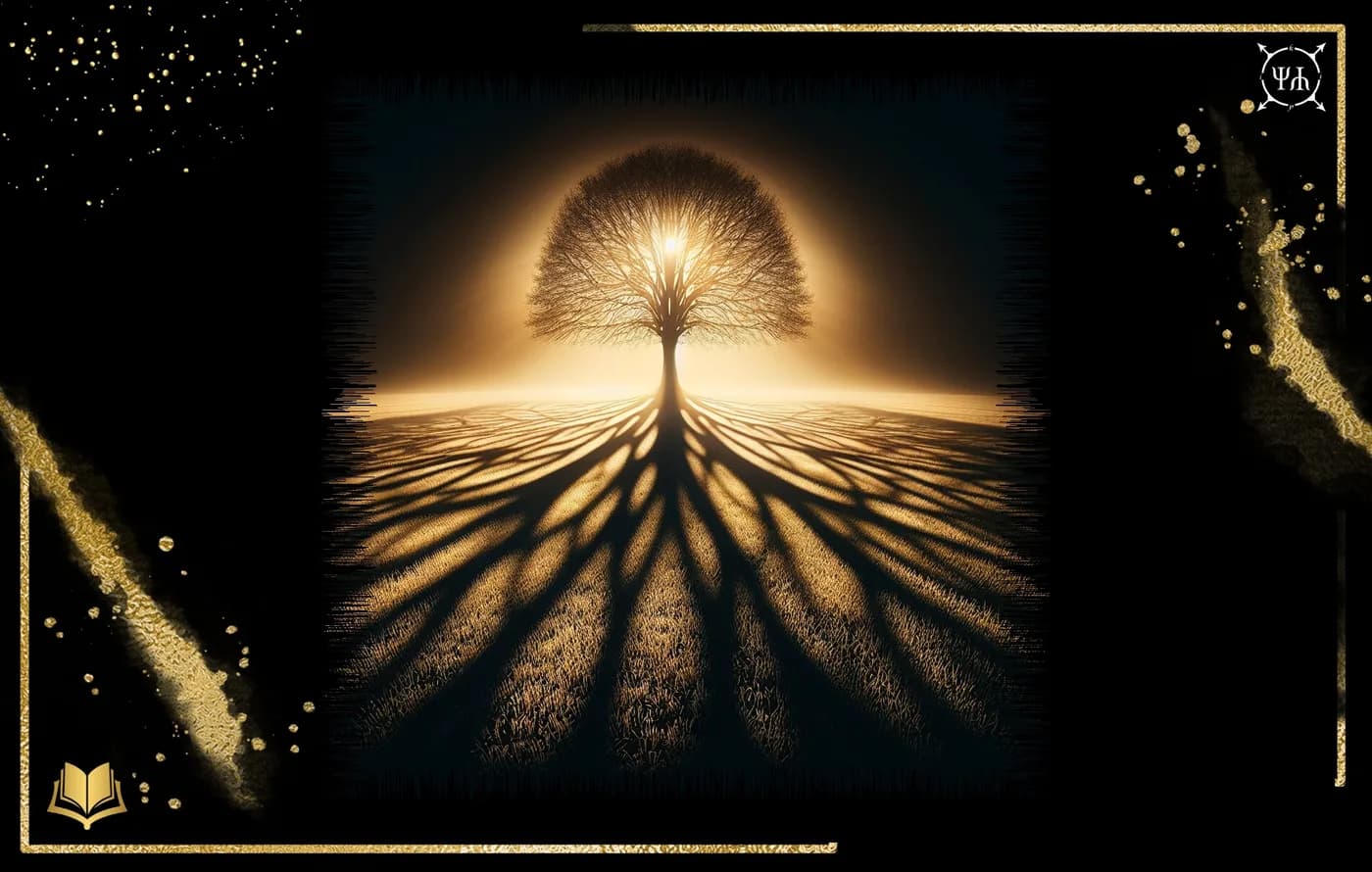

Chiaroscuro
Light and darkness, as abstract concepts, look like incompatible opposites. How can light arise if there is darkness here — the extreme essence of non-being? One excludes the other.
Now look at a tree in sunlight. Do you see the shadow? A shadow without light, light without shadow? Impossible. Here light and darkness define one another; they include one another.
Do open-air theaters show films in daylight? To obtain an image in the foreground, there must be darkness behind it.
Chiaroscuro plays a key role in our lives: opposites are not always mutually exclusive, and sometimes they coexist, enriching one another. 💡 Perls uses this idea as a metaphor that invites us to look at life from a different angle. It is easy to overlook how aspects of our lives that seem opposed at first can complement and define each other. In psychology this often appears in the way we understand emotions: joy would not be as vivid without the experience of sadness, and courage could not exist without fear.
This idea also resonates with the psychological notion of wholeness. Many therapeutic traditions emphasize that inner integration requires acknowledging all sides of the self. 😌 Accepting our own “shadow” aspects can be no less important than developing the light ones. This becomes especially visible in the age of social media, where we often present only the “bright” side of life. Yet recognizing and accepting our own darkness can make us more authentic and whole.
For a contemporary reader, the quotation can also sound like encouragement not to fear dark thoughts and difficult feelings. 🌌 In a world where constant positivity can become a norm, it is worth remembering that balance does not mean erasing one side, but finding a relationship between light and shadow. To live fully is to make room for both — and to let both participate in growth and development.
Category: Dark and light side of personality
Questions about this article
01What does chiaroscuro suggest about opposites within personality?
Just as light makes a shadow visible, opposing experiences can reveal one another's meaning. The metaphor invites us not to erase one side of inner life but to notice their relationship and the tension between them.
02Does accepting a dark side permit acting on every impulse?
No. Acceptance means recognizing a feeling, thought, or impulse and taking responsibility for how one responds to it. Awareness is not enactment and does not remove ethical boundaries.
03How does chiaroscuro relate to DET's “Shadow and Light” postulate?
Both treat inner opposites as parts of a whole. The DET postulate holds that development requires recognizing and integrating inner heterogeneity, with tension between sides serving as a condition of growth.